This 24 January, we celebrated the International Day of Education – and we want to use this opportunity to spotlight some of the educational initiatives we launched to promote circularity, recycling, and raise awareness of the dangers of climate change.
REPAIR CAFÉ
An innovative teaching initiative at the University of Zaragoza, the Repair Café project promoted sustainability and the principles of circular economy by encouraging the repair of electronic devices – as an alternative to the traditional linear model of consumption and disposal.
The programme addresses a lack of practical repair training in higher education. It equips students with basic technical skills, encourages a critical attitude towards technological obsolence, and allows them to work on real devices. The methodology prioritises hands-on learning while providing academic recognition – students receive 0.5 ECTS credits for minimum 15 training hours – and it’s supported by a concise theoretical foundation to ensure a common baseline of knowledge.
A core element of this initiative is the organisation of Repair Café events, where students can apply their skills in real-world contexts, alongside lecturers and expert repairers, reinforcing both technical and social competences, and promoting a culture of repair. The programme was received positively, with all available enrolments filled rapidly, high student satisfaction, a clear improvement in repair capabilities, and growing interest from external companies and associations. These experiences are demonstrating how effective practice-oriented, sustainability-focused teaching models can be – and how useful they are in enhancing students’ employability prospects.
ESCAPE ROOM
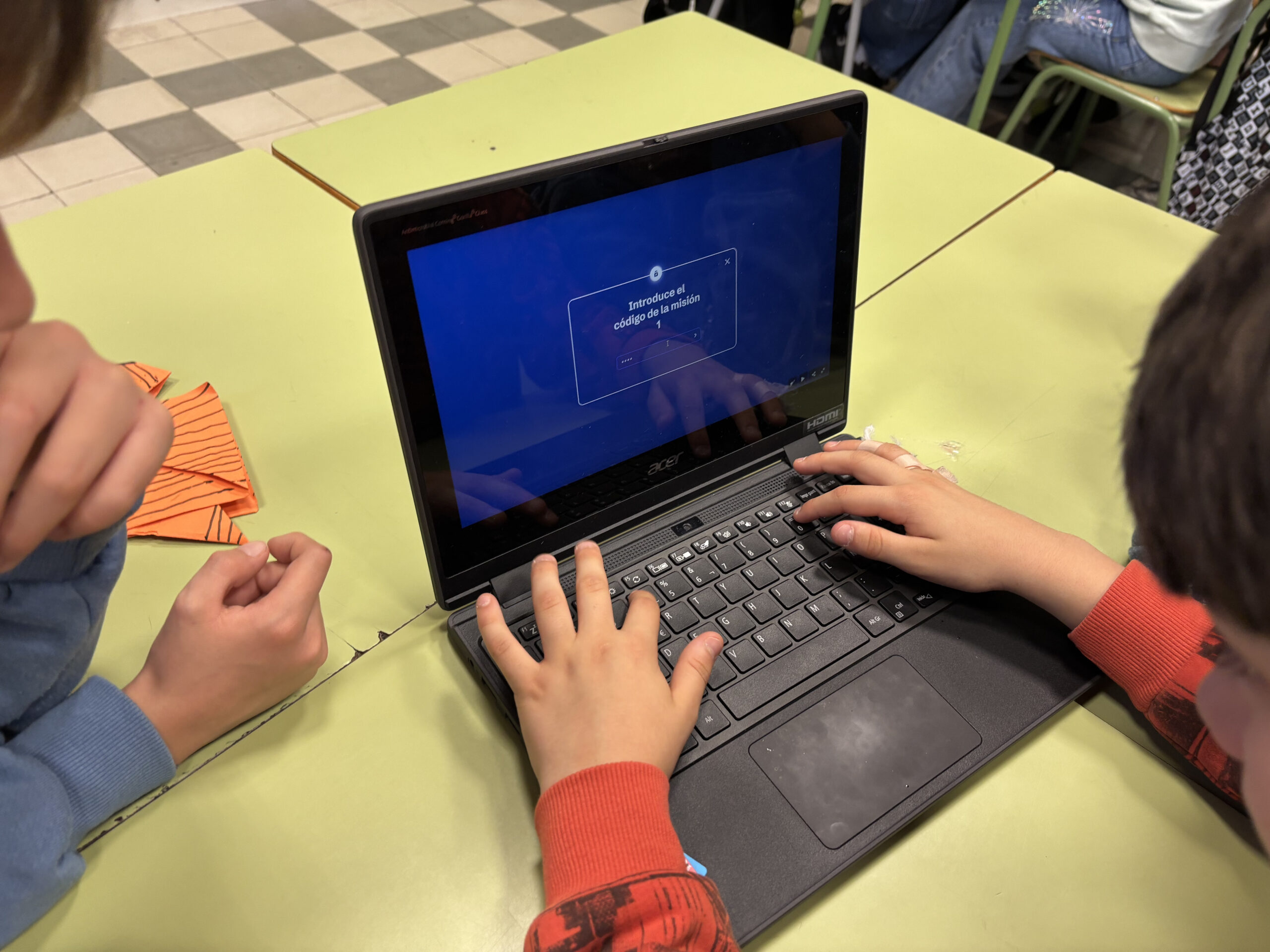
Climate change mitigation is a major global challenge that requires coordinated action. In response, Cemex created “A Circular World”, an educational programme designed to teach children about the principles of the circular economy. Through a digital escape room available in several languages, students learn (with the help of an interactive and engaging methodology) that natural resources can be reused and transformed, rather than becoming waste.
Aligned with primary education curricula and several Sustainable Development Goals, the programme promotes critical thinking and active citizenship. Since its launch in 2022, it has reached over 2,000 students across multiple Spanish regions and internationally, involving schools, families, and institutions, and reinforcing the transition towards a more sustainable and circular economy.